
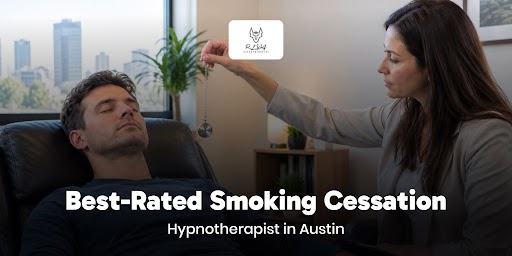
How to Find the Best-Rated Smoking Cessation Hypnotherapist in Austin
Quitting smoking is one of the most meaningful decisions you can make for your health, but putting that decision into practice is not always easy. Nicotine cravings, emotional triggers, daily routines, and stress can make it difficult to leave cigarettes behind, even when you genuinely want to quit. For many people, the challenge is not simply breaking a physical habit but also changing the thoughts and behaviours that keep them reaching for a cigarette.
This is where hypnotherapy may offer another approach to smoking cessation. By working with thought patterns, subconscious associations, and behavioural triggers, hypnosis aims to help individuals develop a healthier relationship with nicotine and strengthen their motivation to quit.
However, finding the right professional matters. If you are exploring a smoking cessation hypnotherapist in Austin, look beyond online ratings and consider the practitioner’s qualifications, approach, experience, and commitment to your progress.
Let’s explore what to look for when choosing a hypnotherapist and how the right guidance may support your smoke-free journey.
1. Look for Proper Training and Hypnotherapy Credentials
One of the first things to consider is the practitioner’s professional background. Hypnotherapy requires an understanding of human behaviour, communication, relaxation techniques, and the psychological patterns associated with habits and dependencies.
When researching a certified hypnotherapist in Austin, check their training, certifications, professional experience, and areas of specialisation. Someone who regularly works with behavioural challenges and nicotine-related habits may be better equipped to understand the difficulties associated with quitting smoking.
You can also explore their professional website to learn about their philosophy, techniques, and experience. Look for clear information rather than relying entirely on promotional claims.
Remember that certification requirements can vary, so ask about the organisation that issued the qualification and the practitioner’s relevant experience.
2. Understand How Their Smoking Cessation Approach Works
Not every hypnotherapist follows the same approach. Some focus on relaxation and positive suggestions, while others incorporate techniques designed to explore emotional associations, subconscious beliefs, and recurring behavioural patterns.
Before selecting a smoking cessation hypnotherapist in Austin, understand how their sessions are structured and what you can expect.
A professional should be able to explain:
- How hypnosis is used to address smoking-related habits.
- Whether sessions focus on cravings, emotional triggers, or behavioural conditioning.
- What techniques are included in the programme.
- Whether the programme includes personalised guidance or follow-up support.
- How progress is evaluated throughout the process.
Understanding these details helps you decide whether the practitioner’s approach aligns with your expectations.
3. Check Reviews, Testimonials, and Client Experiences
Online ratings can provide a useful starting point when comparing professionals, but they should never be the only deciding factor.
Look for detailed testimonials that explain the client’s experience, the quality of guidance, and the overall session process. Genuine feedback can help you understand whether the practitioner creates a comfortable environment, communicates effectively, and respects individual concerns.
When evaluating a smoking cessation hypnotherapist in Austin, pay attention to recurring themes in reviews rather than focusing exclusively on five-star ratings.
Also, be cautious of anyone promising guaranteed results or claiming that every smoker can quit after a single session. Nicotine dependence affects people differently, and lasting behavioural changes often require commitment and consistent effort.
4. Consider Personalised Sessions Instead of a One-Size-Fits-All Programme
Smoking habits are often connected to individual experiences. Some people smoke when they feel stressed, others associate cigarettes with social situations, while some automatically reach for one after meals or during work breaks.
A personalised programme can help address these different patterns rather than treating every smoker in exactly the same way.
When considering hypnosis to quit smoking in Austin, TX, ask whether the practitioner takes time to understand your smoking history, triggers, motivations, and previous attempts to quit.
A good professional should also explain how sessions may help you:
- Recognise situations that trigger nicotine cravings.
- Develop healthier responses to stress and discomfort.
- Challenge thoughts that reinforce smoking habits.
- Build confidence in your ability to maintain behavioural changes.
- Prepare for situations where the temptation to smoke may return.
The aim is to make the process relevant to your everyday life and not simply provide a generic relaxation experience.
5. Ask About Session Formats, Follow-Up Support, and Accessibility
Practical considerations are equally important when selecting a therapist. Check whether sessions are available in person, online, or through structured group programmes.
Online sessions can be particularly convenient for people with busy schedules or those who prefer receiving guidance from home. However, you should understand the technology required, session duration, scheduling arrangements, and availability of follow-up support.
A certified hypnotherapist in Austin should be transparent about programme costs, the expected number of sessions, cancellation policies, and what each package includes.
You should also ask how progress is reviewed. Quitting smoking is a personal process, and having opportunities to discuss challenges can make the experience more supportive.
6. Understand the Science Behind Hypnosis and Smoking Cessation
It is important to approach hypnotherapy with realistic expectations. Research into its effectiveness for smoking cessation has produced mixed findings.
A 2025 systematic review published in the International Journal of Clinical and Experimental Hypnosis examined 63 studies and reported encouraging findings in several studies. However, the researchers also highlighted the need for more rigorous research to establish its effectiveness.
Earlier, a Cochrane review found insufficient reliable evidence that hypnotherapy was more effective than other behavioural support or quitting without assistance.
Therefore, hypnosis should be considered a complementary option rather than a guaranteed solution or replacement for established smoking cessation treatments. Consider discussing your options with a qualified healthcare professional, particularly if you need support managing nicotine withdrawal.
A trustworthy smoking cessation hypnotherapist in Austin should communicate these limitations honestly rather than promising instant or permanent results.
7. Release Your Inner Prisoner: Breaking Free from Smoking Habits
Release Your Inner Prisoner is more than an expression; it reflects the idea of freeing yourself from negative behavioural patterns that can influence everyday decisions. Smoking can gradually become an automatic response to stress, boredom, social situations, or emotional discomfort. Over time, these associations may make quitting feel more difficult than expected.
The approach presented by Release Your Inner Prisoner focuses on helping individuals explore subconscious patterns and work towards positive behavioural changes through one-on-one hypnotherapy. Led by R. L. Wolf, an Austin-based certified hypnotherapist, the practice combines hypnotherapy with techniques informed by neuroscience and neuro-linguistic programming (NLP). Its services include personalised online sessions and the Crush Your Nicotine Cravings programme. For individuals exploring a smoking cessation hypnotherapist in Austin, this offers an opportunity to learn more about an approach centred on changing negative patterns and building healthier habits.
If you are curious about whether this approach suits your needs, consider starting with the practice’s free consultation to discuss your concerns and expectations.
8. Choose Someone Who Makes You Feel Comfortable and Supported
The relationship between a client and hypnotherapist can influence the overall experience. You should feel comfortable discussing your smoking habits, previous setbacks, concerns, and reasons for wanting to quit.
Before booking, consider arranging an introductory conversation. Ask questions, understand the practitioner’s communication style, and determine whether you feel confident working with them.
When comparing options for hypnosis to quit smoking in Austin, TX, prioritise professionals who listen without judgement, respect confidentiality, and encourage realistic progress.
Ultimately, the best smoking cessation hypnotherapist in Austin is not necessarily the one with the highest online rating. It is someone whose qualifications, approach, communication, and professional values align with your needs.
Take the First Step Towards a Smoke-Free Life
Breaking free from smoking starts with recognising that change is possible and finding an approach that supports your goals. Whether you are exploring behavioural techniques, professional counselling, or hypnosis, the right guidance can help you make more informed decisions.
If you are looking for a smoking cessation hypnotherapist in Austin, take time to research your options, ask meaningful questions, and understand what each programme offers.
Explore Release Your Inner Prisoner to learn more about its hypnotherapy services and arrange a free consultation with R. L. Wolf. Your journey towards healthier habits can begin with one positive decision.
Frequently Asked Questions (FAQs)
1. Can hypnotherapy help someone quit smoking?
Hypnotherapy may help individuals explore behavioural triggers, negative associations, and thought patterns connected to smoking. However, scientific evidence remains mixed, and results vary. It is best considered alongside evidence-based cessation support.
2. How many hypnotherapy sessions are needed to quit smoking?
The number of sessions depends on individual circumstances, smoking history, motivation, and response to the process. Some programmes offer multiple sessions to provide continued guidance and reinforce behavioural changes.
3. How do I find a certified smoking cessation hypnotherapist in Austin?
Check professional credentials, relevant experience, client testimonials, session formats, and treatment approaches. You can also explore certified hypnotherapist Austin services through professional websites and arrange an initial consultation before making a decision.
4. Is online hypnosis to quit smoking Austin TX as convenient as in-person sessions?
Online hypnotherapy offers flexibility and allows clients to participate from a comfortable, familiar environment. Its suitability depends on personal preferences, internet access, and the practitioner’s session format.
5. Can hypnosis eliminate nicotine cravings permanently?
There is no guarantee that hypnosis will eliminate cravings permanently. It may help individuals work on behavioural associations and coping strategies, but nicotine dependence can also involve physical withdrawal. Combining appropriate professional support with a personalised quitting plan may be helpful.